Home › Asphalt Resurfacing & Overlays
Extend the life of your pavement with asphalt resurfacing in Reno, NV from Precision Asphalt Reno. When your driveway is worn but the base is still sound, an asphalt overlay can restore smoothness and appearance at a lower cost than full replacement. We mill or level low areas, then install a new asphalt layer for a fresh, even driving surface. Request a resurfacing inspection to see if your driveway qualifies.
Precision Asphalt Reno provides professional asphalt resurfacing throughout Reno, NV, Nevada and the surrounding area. Our licensed, insured crew delivers safe, clean, on-time work with a free estimate before anything begins. Call (775) 370-7037 or request your free quote.
Asphalt Resurfacing & Overlays in Reno, NV
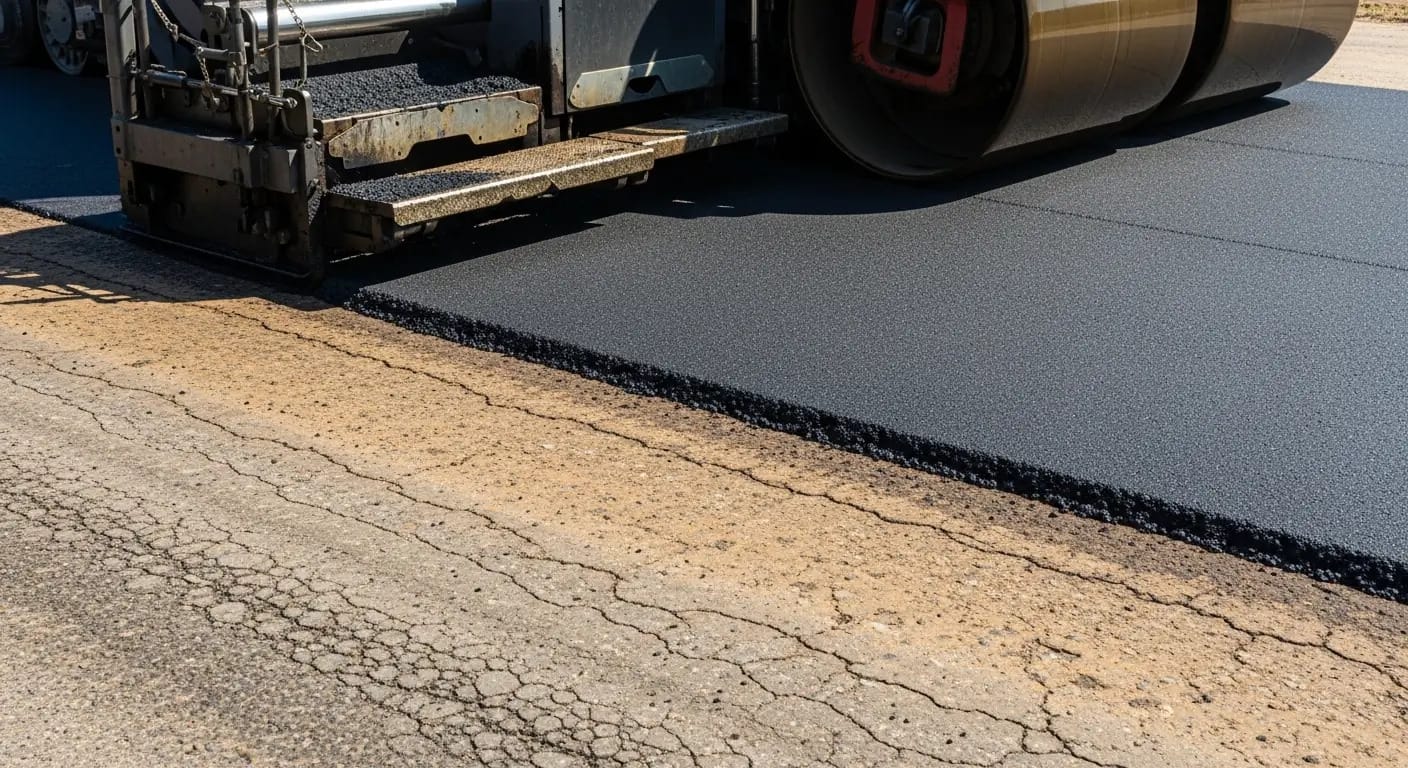
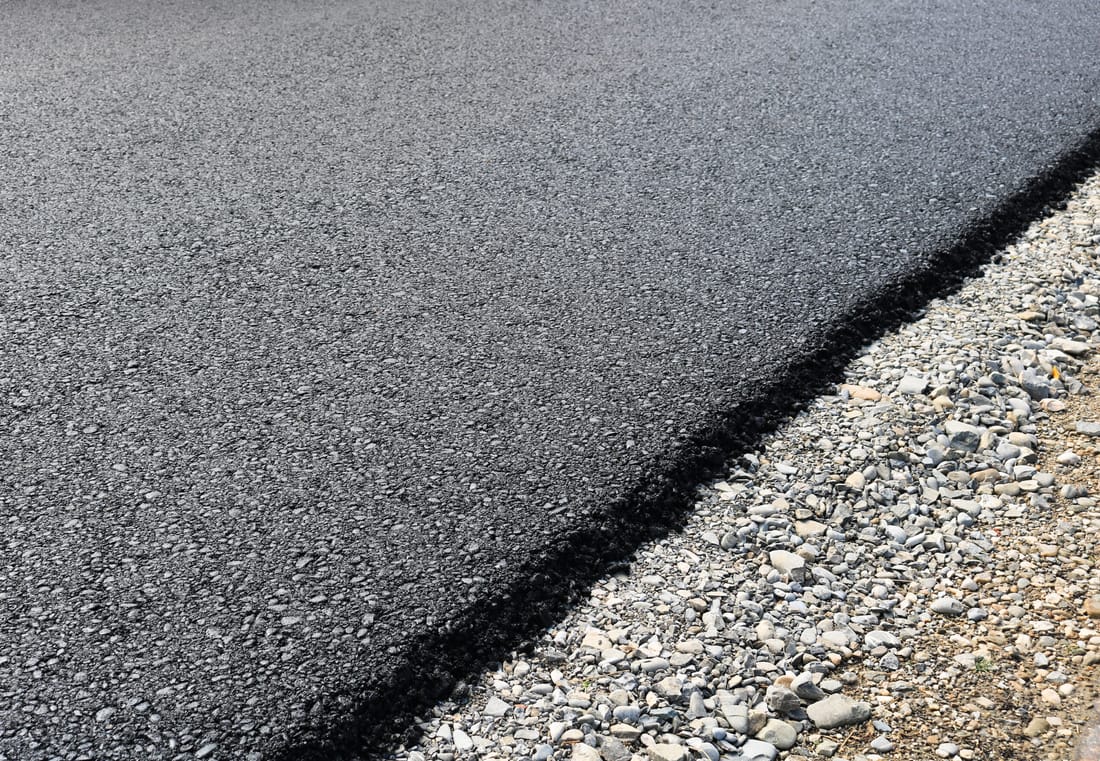
Asphalt resurfacing (often called an overlay) is the process of installing a new layer of asphalt over an existing paved surface. For many Reno property owners, it is the most cost‑effective way to restore a worn parking lot or driveway without tearing everything out.
Precision Asphalt Reno focuses on resurfacing projects that make sense structurally and financially. We start by evaluating your existing pavement, base, and drainage, then determine if an overlay will perform well in our Northern Nevada climate. If the current asphalt is too badly damaged or the base is failing, we will explain why a full replacement may be the better investment instead of selling you a resurfacing that will not last.
Our team understands the specific stresses that Reno pavements face: wide temperature swings, high UV exposure, winter freeze‑thaw cycles, and snow removal equipment. Every resurfacing plan we create is built around those local realities so your new surface does not just look fresh on day one but holds up for years under real conditions.
When Resurfacing Is the Right Choice
Not every cracked or faded surface is a candidate for asphalt resurfacing. Precision Asphalt Reno uses a checklist based on local field experience to decide when an overlay is appropriate.
Resurfacing is typically a good fit when: (1) The existing asphalt still has a sound base with no widespread pumping, heaving, or deep alligator cracking. A few isolated failure areas can be repaired before the overlay. (2) Surface distress is mostly in the top 1 to 2 inches, such as raveling, minor rutting, oxidation, and moderate cracking that has not reached the base. (3) Drainage can be maintained or improved without trapping water along curbs or at entrances. We pay special attention to low spots that collect meltwater in late winter and early spring.
Resurfacing is usually not recommended if you see major structural problems like extensive base movement, repeated potholes in the same spots, or large areas that stay wet long after storms. In older Reno neighborhoods with mixed utility trench repairs and patchwork, we may suggest partial reconstruction followed by resurfacing to avoid reflective cracking through the new layer.
During our site visit, we will walk the pavement with you, point out which areas are acceptable for overlay, which need dig‑out repairs, and which might need more extensive work. You will see exactly why we recommend resurfacing or not, so you can make a confident decision.
How Precision Asphalt Reno Performs an Overlay
A successful asphalt resurfacing project depends on the prep work as much as the new asphalt itself. Our crews follow a detailed, step‑by‑step process customized for Reno conditions.
1. Detailed inspection and layout: We mark out all areas that need milling, patching, or full‑depth repairs. We also identify transitions to garages, ADA ramps, sidewalks, and roadways so finished elevations are correct.
2. Structural repairs: Any weak sections are cut out and replaced full depth, typically 4 to 8 inches depending on traffic loading. We compact in lifts with vibratory rollers to match or improve the existing base support.
3. Milling and edge prep: To prevent “lip” edges at transitions, we mill or grind the old asphalt at tie‑in points such as city streets, concrete gutters, and catch basins. This allows us to install the new overlay while keeping proper drainage away from buildings and toward Reno storm inlets.
4. Cleaning and crack treatment: The surface is swept thoroughly, often with both mechanical sweepers and blowers. Larger cracks are cleaned and filled with hot pour rubber or asphalt binder so they do not mirror immediately through the new mat.
5. Tack coat application: We apply a uniform tack coat (bonding agent) to ensure the new asphalt layer fully adheres to the old surface. Skipping or thinning this step is one of the most common reasons overlays fail early.
6. New asphalt placement: We install the overlay with a self‑propelled paver to achieve consistent thickness and smoothness. Typical Reno parking lots receive 1.5 to 2 inches of new hot mix; higher traffic drive lanes, truck routes, or slopes might receive 2 to 3 inches.
7. Compaction and finishing: Steel drum and pneumatic rollers compact the new mat to target density. We pay close attention to joints, approaches, and drainage paths so you do not end up with standing water or rough seams.
8. Striping and reopening: After proper cooling, we re‑stripe parking spaces, ADA stalls, and traffic markings to meet current standards. Most resurfaced lots can be reopened to light traffic within 24 hours, sometimes sooner with careful staging.
Material Options Built for Northern Nevada
The type of asphalt mix and overlay thickness you choose will directly affect how long your resurfaced pavement lasts. Precision Asphalt Reno works with local suppliers to specify mixes that perform well in our high desert environment.
For light duty residential driveways, we usually recommend a 1.5 to 2 inch overlay using a fine to medium aggregate mix. This provides a smooth finish with enough structure to handle passenger vehicles and occasional delivery trucks.
For commercial parking lots, multifamily complexes, and HOA streets, we often design mixes with slightly larger aggregate and higher oil content to resist rutting, snow plow abrasion, and heavy turning movements. Typical overlays are 2 inches in general parking areas, with 2.5 to 3 inches in drive lanes or dumpster routes that carry heavier loads.
Truck yards, industrial sites, and properties with frequent semi traffic may require a thicker overlay or a staged approach where we strengthen key loading zones more than general parking. We can also incorporate geotextile fabric or grid between layers in selected areas to reduce reflective cracking where there are many existing joints.
Because Reno experiences strong sun and significant day‑night temperature swings, we often recommend a sealcoat 6 to 12 months after resurfacing. This gives the new asphalt time to cure, then adds a UV shield and additional moisture resistance to stretch the life of your overlay.
Cost Factors for Asphalt Resurfacing in Reno
Resurfacing is usually 25 to 50 percent less expensive than full removal and replacement, but actual pricing depends on several site‑specific factors. Precision Asphalt Reno provides line‑item proposals so you see exactly what drives the cost on your project.
Key cost drivers include: (1) Overlay thickness and square footage. More material and more passes with the paver and rollers mean higher cost, but also longer life. We will show you the cost difference between 1.5, 2, and 3 inch options when it makes sense. (2) Amount of base and patch work required. Every full‑depth repair, utility trench stabilization, or soft spot correction increases the total but is essential for durability. Skipping these repairs to win a low bid usually leads to early failure. (3) Milling and leveling needs. Properties with many high and low spots, settled patches, or tricky tie‑ins to existing concrete often require more milling or leveling courses before the final overlay.
Access and staging also affect pricing. Busy commercial sites in Reno and Sparks may need night or weekend work, phased closures, and extra traffic control to keep businesses operating. We plan phasing around your operations so you lose as little parking or driveway access time as possible.
During our estimate, we walk the site, measure the pavement, probe soft areas, and discuss your budget and expected timeline. We can sometimes present a phased resurfacing plan that addresses the most critical areas first while scheduling the rest over several budget cycles.
What Reno Property Owners Should Know Before Hiring
Choosing a contractor for asphalt resurfacing is not just about the lowest number on a proposal. The decisions they make on prep work, mix selection, and drainage will affect you for many winters to come.
In Reno, the working season for overlays usually runs from April through October, with best results when daytime temperatures are consistently above 55 degrees and nights stay above freezing. Precision Asphalt Reno can work at the edges of that window if necessary, but we will be honest if conditions are too cold or wet to deliver a quality result.
Ask any paving contractor how they handle: (1) Crack sealing and base repairs before overlay. If they plan to just “pave over everything,” expect reflective cracking and potholes to return quickly. (2) Drainage review. Your resurfacing should not create new puddles where snowmelt can refreeze. We often adjust slopes slightly or mill localized low spots to move water to drains or street gutters. (3) Traffic control and business access. A good plan minimizes downtime for tenants, customers, and residents.
Also request proof of local projects completed at least 3 to 5 years ago. This allows you to see how their overlays have held up through multiple Reno winters and summer heat cycles. Precision Asphalt Reno can provide references and addresses so you can review our work in person.
Why Work With Precision Asphalt Reno
Precision Asphalt Reno focuses on long‑term performance instead of quick cosmetic fixes. Our resurfacing crews work exclusively in Northern Nevada, so we see how different paving choices actually age in this region.
Before we ever schedule a paving day, we invest time in condition assessment, core sampling when needed, and planning. We document where structural repairs are needed, where we can safely overlay, and where elevations need special care. This upfront effort often prevents problems like water backing against buildings or plow blades catching edges.
We own and maintain our own paving and compaction equipment, which lets us control schedule and quality. Our foremen stay on site from start to finish, coordinate with your property manager or facilities team, and adjust phasing if your needs change mid‑project.
After the overlay, we provide care recommendations specific to your site. This may include snow plowing guidelines to avoid gouging new surfaces, recommended timing for first sealcoat, and a simple inspection checklist you or your maintenance staff can use each spring and fall.
If you are considering asphalt resurfacing anywhere in the Reno, Sparks, or surrounding Northern Nevada areas, we can evaluate your pavement, provide clear resurfacing or replacement options, and help you plan the optimal timing and phasing for your property.